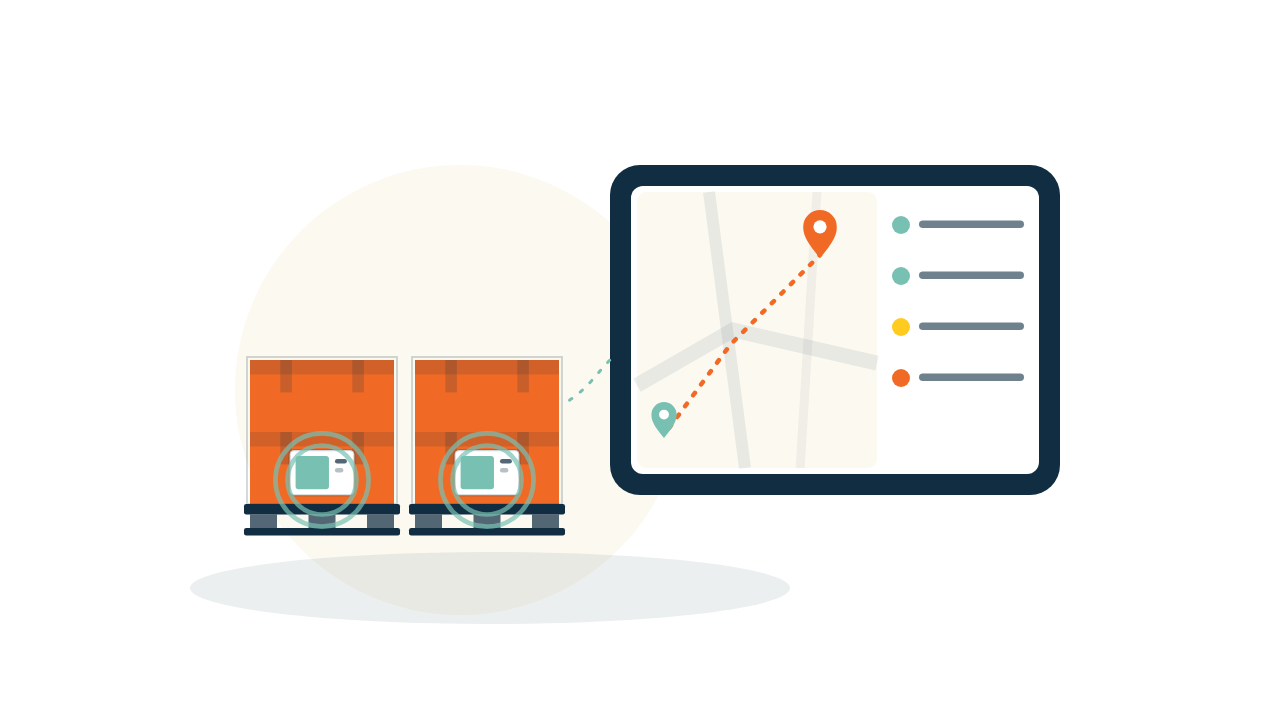
Visibility is not just a technology - it’s a survival and growth strategy in the freight recession
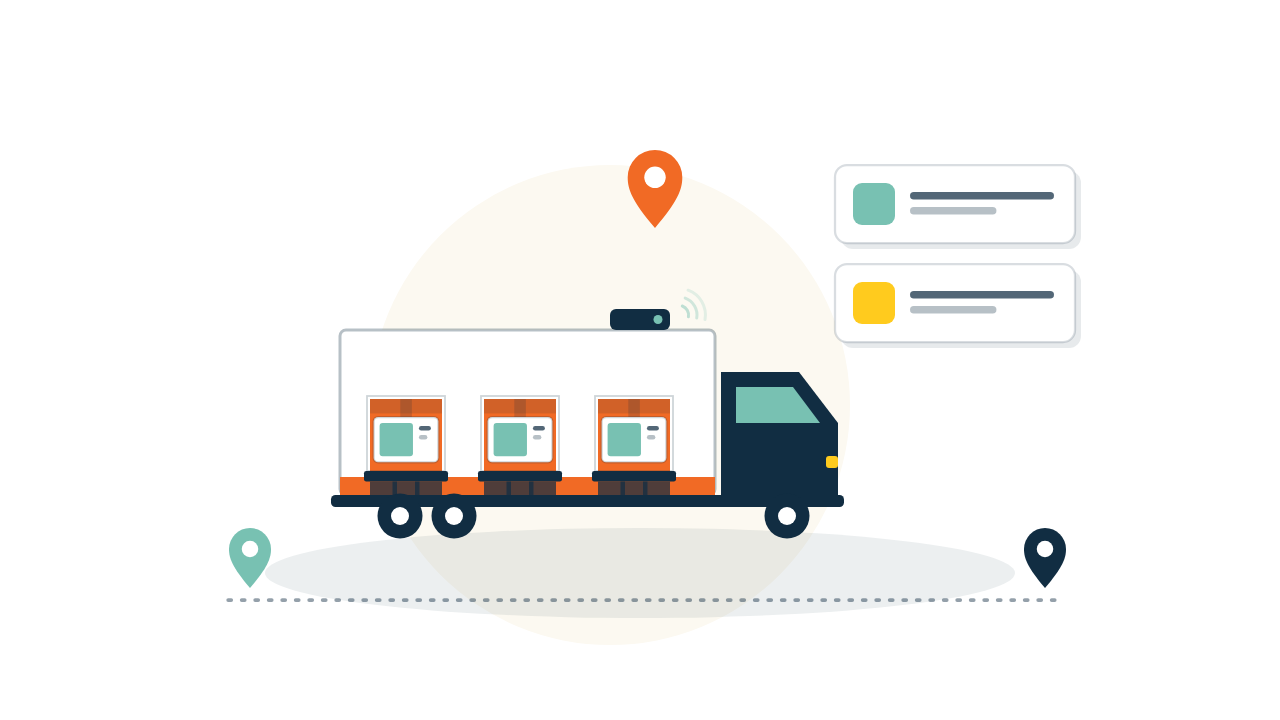
Carriers are the backbone of freight visibility. Yet for decades, they’ve paid for visibility infrastructure only to give it away, while tech platforms built fortunes selling that data.
Meanwhile, fleets are stuck in a “race to the bottom,” bleeding cash just to keep trucks rolling.
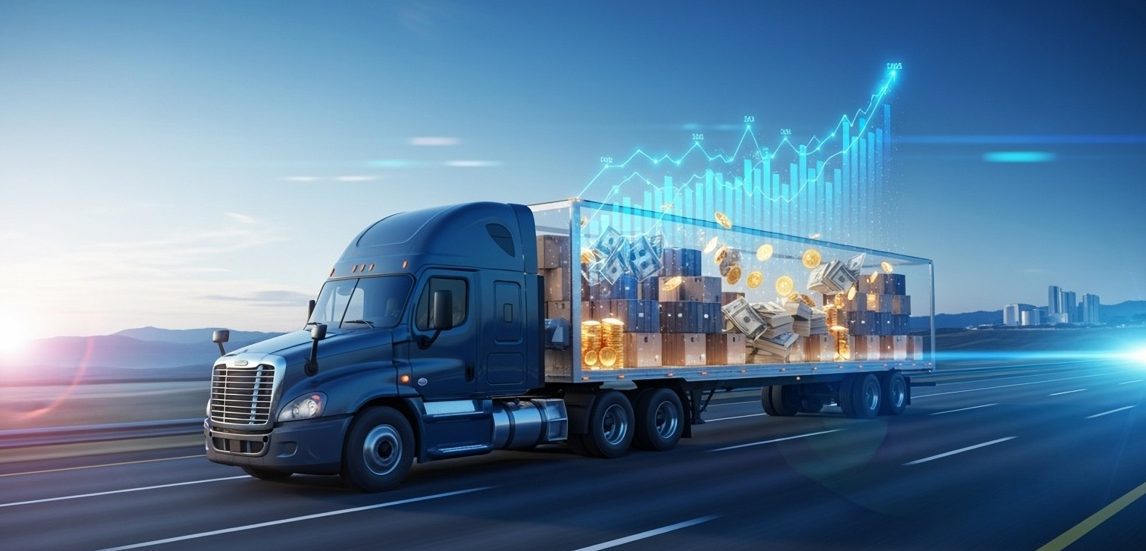
Freight visibility can be directly tied to carriers’ bottom line by transforming it from a cost center into a monetizable service.
Carriers leverage visibility to justify premium rates, reduce risk exposure, and improve margins in a market where average truckload profitability is currently negative.
Current fleet economics
This explains the “race to the bottom”: shippers push rates down while carriers bleed cash just keeping trucks on the road.
Value of visibility
Shippers, Customers and Insurers place high value on visibility.
Connecting visibility to carrier profitability
Carriers should flip the script by monetizing visibility instead of giving it away
Premium Freight Rates: If visibility reduces shipper costs by 15–25%, carriers can justify charging 5–10% higher rates for “visible freight.”
- On a $2.26/mile cost base, a 10% premium adds ~$0.23/mile revenue, enough to swing margins from negative to positive.
Risk-Based Insurance Discounts: Visibility enables insurers to lower premiums by monitoring driver behavior, cargo conditions, and route risk.
- Even a 5–10% reduction in insurance costs (currently one of the fastest-rising expenses) can save fleets ~$0.05–0.10 per mile.
Making it happen: a practical path to OTR freight visibility
Carriers don’t need another dashboard. They need infrastructure — simple, scalable, and built for the realities of the OTR operations.
Here’s how fleets can turn visibility from a cost center into a revenue engine.
1. Make every trailer an always‑online internet appliance
Most trailers sit dark 95% of the time. No power. No data. No signal. That’s why visibility breaks down.
The fix is simple:
- Install a wire‑free IoT gateway that runs on an autonomous energy source
- Ensure it wakes up automatically, connects instantly, and broadcasts securely
- Make the trailer a permanent node on the internet, not a blind spot
This single step eliminates the biggest barrier to OTR freight visibility: no power, no connectivity, no data.
2. Tag every shipment with “talking” shipping labels (PALs)
Traditional labels identify freight. PALs let freight speak.
PALs (Printed Active Labels) turn every pallet, carton, or parcel into a micro‑sensor that:
- Announces its presence
- Reports its condition
- Confirms loading/unloading
- Verifies location and custody
- Creates a digital voice for every piece of freight
When shipping labels talk, the supply chain thinks.
This is the missing link between the trailer and the freight inside it.
3. Connect the trailer + freight + ecosystem
Visibility only creates value when it flows to the people who need it:
This is where carriers flip the script: Instead of giving data away, they package it as a service.
4. Monetize visibility as a premium offering
Once visibility is reliable and automated, carriers can:
- Charge 5–10% higher rates for visible freight
- Negotiate 5–10% lower insurance premiums
- Reduce OS&D, detention, and rework
- Win more freight from shippers who demand transparency
- Retain customers who value reliability over the lowest bid
This is how fleets move from –2.3% margins to +5–7%.
Not by cutting costs. By delivering reliability, transparency, and trust.
5. Start small, scale fast
Carriers don’t need to overhaul their entire fleet on day one.
A practical rollout looks like:
- Pilot 1-2 trailers with power‑free gateway setups
- Tag high‑value or high‑risk freight with PALs
- Share visibility with one shipper to prove value
- Use the results to negotiate premiums or insurance discounts
- Expand across lanes, customers, and asset classes
This is visibility that pays for itself — quickly.
New year's resolution
In 2026 Real-Time Freight Visibility is not another SW package or Dashboard, its a way we run a daily business.
Carriers are the backbone of freight visibility. They generate the data. They bear the risk. They run the miles.
It’s time they capture the value.
By making trailers always‑online, giving freight a voice, and sharing visibility with the entire OTR ecosystem, carriers turn transparency into a competitive advantage — and a new revenue stream.
Numerical data sources
New ATRI Report Shows Trucking Profitability Severely Squeezed by High Costs, Low Rates
2025 CPM & TCO for Trucking & Logistics Fleets
How to Maximize Freight Visibility in Your Supply Chain: A Complete Guide for Shippers - HaulerHub
Freight Insurance vs Supply Chain Visibility | Comparison
Where are trucking rates headed in 2025? 7 executives weigh in | Trucking Dive
More articles
all resources
Visibility isn't a technology - it's a business strategy
read article
Pallet-level visibility changes everything
read article
Reimagining LTL trailers as connected internet appliances
read article
Winter logistics: visibility when it matters most
read article
PALs - Printed Active Labels reshaping supply chain intelligence
read article