
RTP visibility for closed-loop operations
Every rack, bin and container gets its own digital identity, from the supplier dock to the empty return.
 Location
 Condition
 Status alerts
 Empty returns
 RTP loop · Assembly plant feedLive · 06:40
A connected RTP ecosystem
Returnable transport packaging moves through the same facilities every day: supplier docks, trailers, receiving areas, staging zones and return loops. When these racks, bins and containers become visible in real time, closed-loop operations become predictable, efficient and resilient.
Who owns the loop
Manufacturers
- Real-time visibility from Tier 2 supplier to assembly line
- Fewer missing racks
- Faster turnaround of empty RTP

Healthcare distributors
- Stronger chain of custody
- Fewer exceptions and delays
- Compliance support for temperature-sensitive goods

Retail networks
- Accurate pallet-bin movement between DCs and stores
- Reduced loss and disputes
- Better on-time performance
Who moves and underwrites it

Suppliers (Tier 2 to Tier 4)
- Automatic proof of rack dispatch and return
- Fewer disputes over missing or late RTP
- Participation without running a new IT system
Carriers
- Accurate trailer manifests
- Less time spent locating racks and bins
- Stronger coordination with shippers and receivers

Insurers
- Continuous, verifiable data
- Stronger audit trails
- Lower risk exposure
BLE-connected RTP assets
Our RTP solution uses BLE-enabled PALs (printed active labels) and BLE tags, with gateways installed at supplier docks, inside trailers, and at receiving and staging zones. PALs and tags report continuously, creating a live map of every RTP asset in motion.
- 1
PALs and tags applied at origin
Each rack, bin and container gets a BLE-enabled PAL or a BLE tag. A QR or barcode ties it to its record in your WMS, TMS or MES for its whole service life.
- 2
Gateways detect RTP assets
Gateways at supplier docks, in trailers and in receiving zones read PALs and tags automatically, so custody transfers record themselves.
- 3
Real-time data to the cloud
Movement, dwell time and optional temperature stream to digiNsight. Alerts flag a rack that has not moved or an empty that has not shipped.
- 4
AI-optimized closed-loop flow
Live and historical data show where the loop slows and how many racks you really need, cutting buffer stock and replacement buys.
Flexible, hardware-agnostic architecture
DigiBiz integrates the right BLE hardware for each environment.
Hardware
 BLE-enabled PALs (printed active labels)
 Open BLE systems
 BLE tags for long-range trailer detection
This ensures reliable performance in:
What a fully connected assembly line feed network looks like
Consider a Tier 1 automotive manufacturer running sequenced line feed into a single assembly plant. Every critical Tier 2 supplier is connected at rack level: each returnable rack carries a PAL or BLE tag, with gateways at the supplier dock, in the trailer, and at the plant's receiving and staging zones. A handful of critical Tier 3 suppliers are connected one level deeper, at subassembly level, and a single Tier 4 supplier is connected at package level for a component with no second source.
The result is a continuous chain of custody from raw component to line side. The plant does not learn about a shortage when the buffer runs dry. It sees a rack that failed to leave a Tier 2 dock on schedule, hours earlier, while there is still time to react. Empty racks are visible on the return leg, so replenishment is planned against measured cycle time rather than a fixed assumption. And when a Tier 4 part runs late, the exception surfaces at the tier where it started, not four handoffs later at the line.
What becomes visible
- Forward view of the line-side buffer, hours ahead of a shortage
- Empty-rack return cycle time by supplier and by lane
- Dwell at every dock, staging zone and trailer
- Exceptions at the tier of origin, not at the point of failure
This is a hypothetical scenario, not a customer deployment. It describes how a fully connected feed network behaves. The figures above are model parameters, not measured results.
Built for the operations you run
Pallet visibility for grocery and fresh food fleets
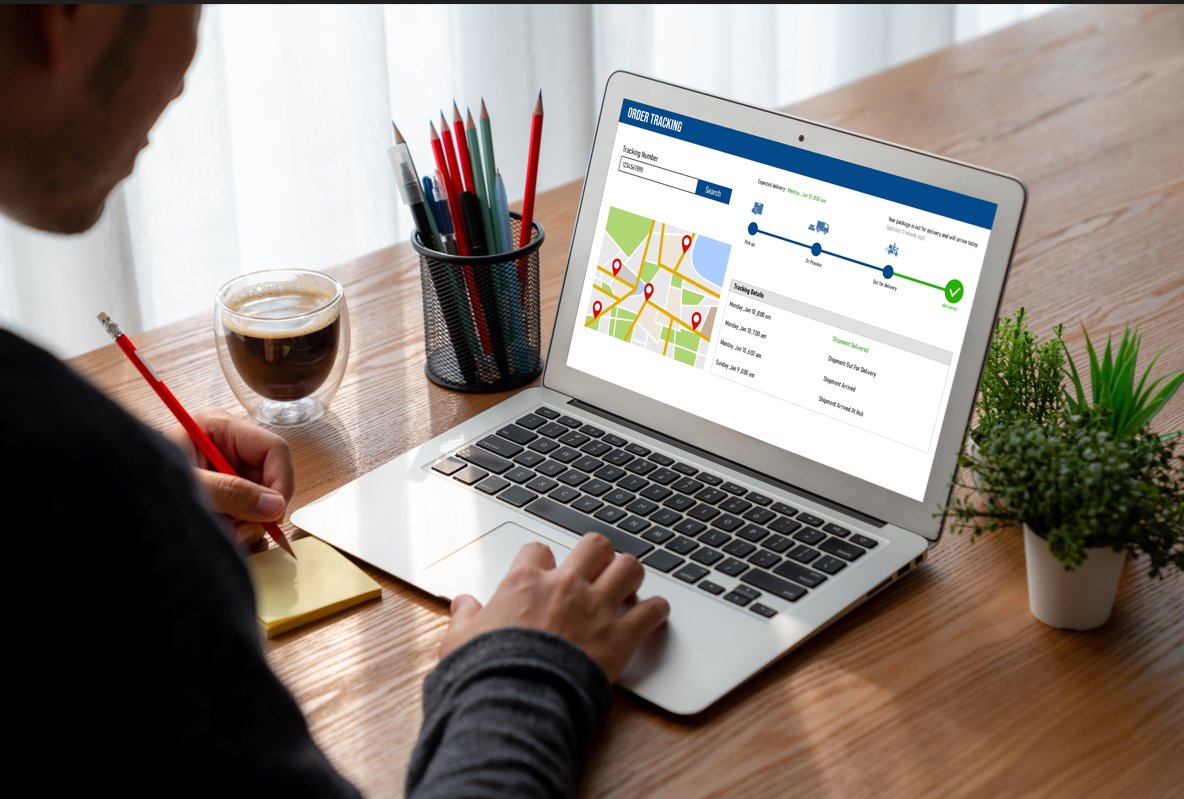
Fresh product runs on tight windows. See location, temperature and humidity for every pallet, and act before a delay turns into spoilage.
- Delivery windows protected
- Conditions on record
- One live view
- Planning on real arrivals
Explore our other solutions
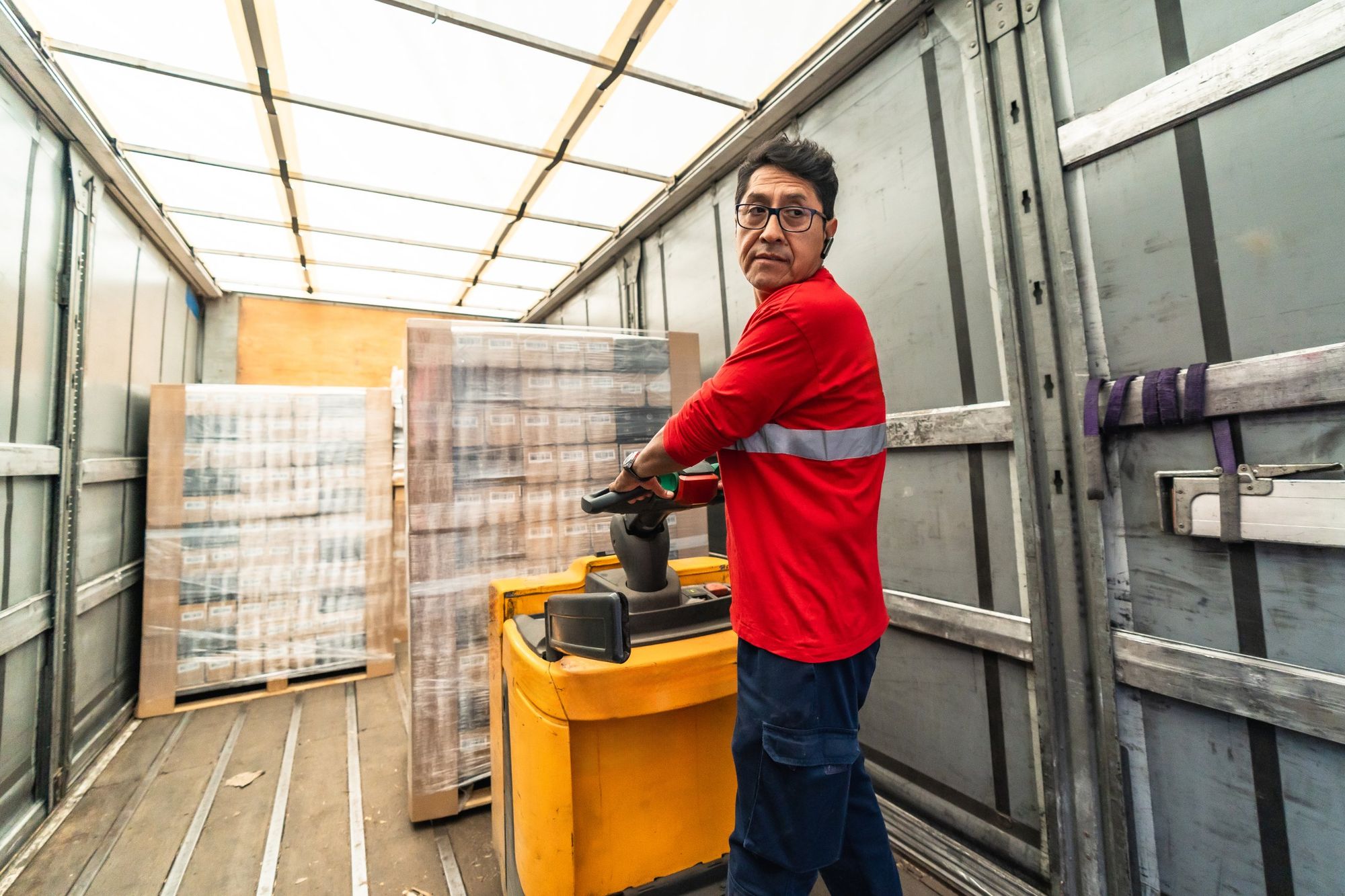
Returnable transport packaging, or RTP, is any container that carries goods and comes back to be used again: steel and plastic racks, totes, bins, dollies, kegs and IBCs. Unlike one-way packaging, RTP is a capital asset with a service life and a replacement cost, and it has a return leg. That return leg is where most of it goes missing.
Same technology, different asset economics. A pallet usually moves one direction and is often pooled or expensed. An RTP asset is owned, expensive, and only valuable if it comes back. So RTP visibility puts as much weight on the empty return leg and cycle time as on the loaded trip, because that is where recovery, buffer sizing and replacement spend get decided.
No. Most networks start with one lane, one plant or one asset class, usually the racks tied to the most disruptive shortages. Gateways cover zones rather than individual assets, so once a site is instrumented, expanding to more assets is a labelling exercise rather than another infrastructure project.
They do not run anything. PALs and tags go on the racks and a gateway is installed at the dock. Detection is passive, with no scanning step and no software for supplier staff to operate. Suppliers gain automatic proof of dispatch and return, which is usually what turns participation from a mandate into something they want.
Each PAL and tag ID maps to your existing records, so RTP events arrive as data against the parts, orders and shipments you already track. digiNsight exposes movement, dwell and exception data through API and scheduled feeds. Visibility layers onto the systems you run rather than replacing them.

Make your RTP assets visible
Closed-loop operations run smoother when every rack, bin and container can be seen. RTP visibility reduces friction across provinces, strengthens domestic logistics and improves cross-border performance.
Built in Canada for Canadian closed-loop networks.