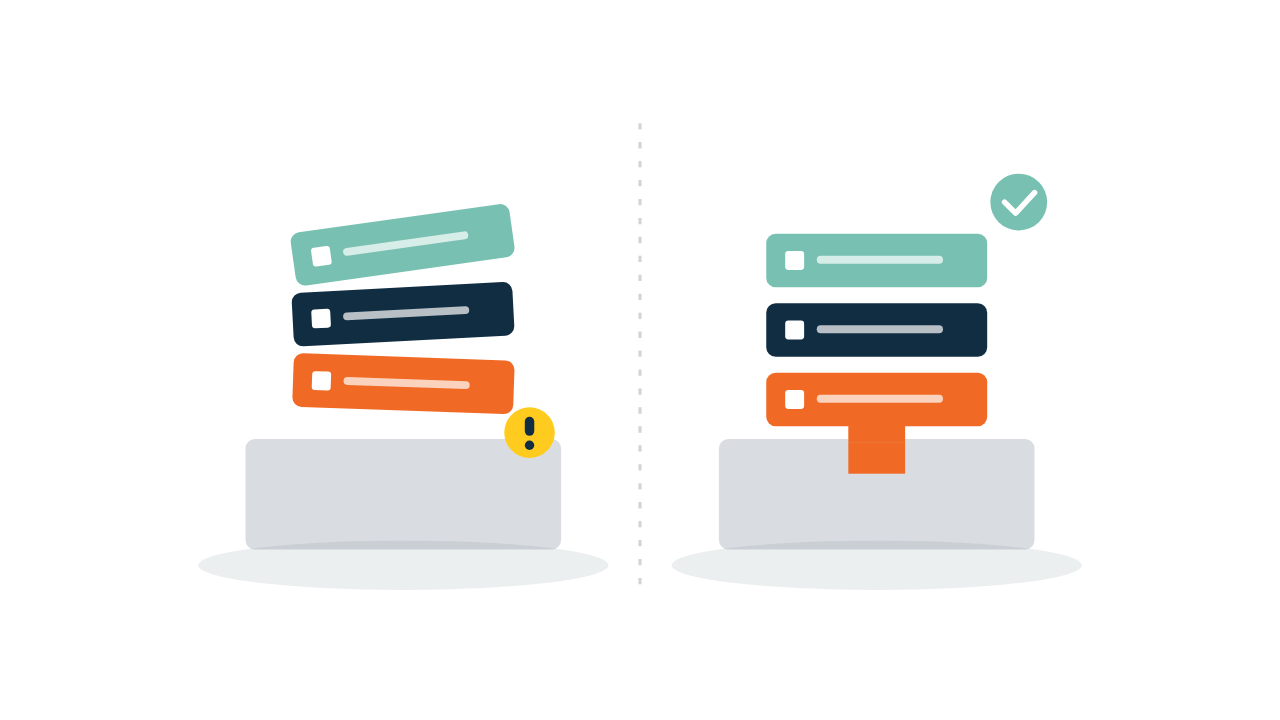
Visibility isn't a technology - it's a business strategy
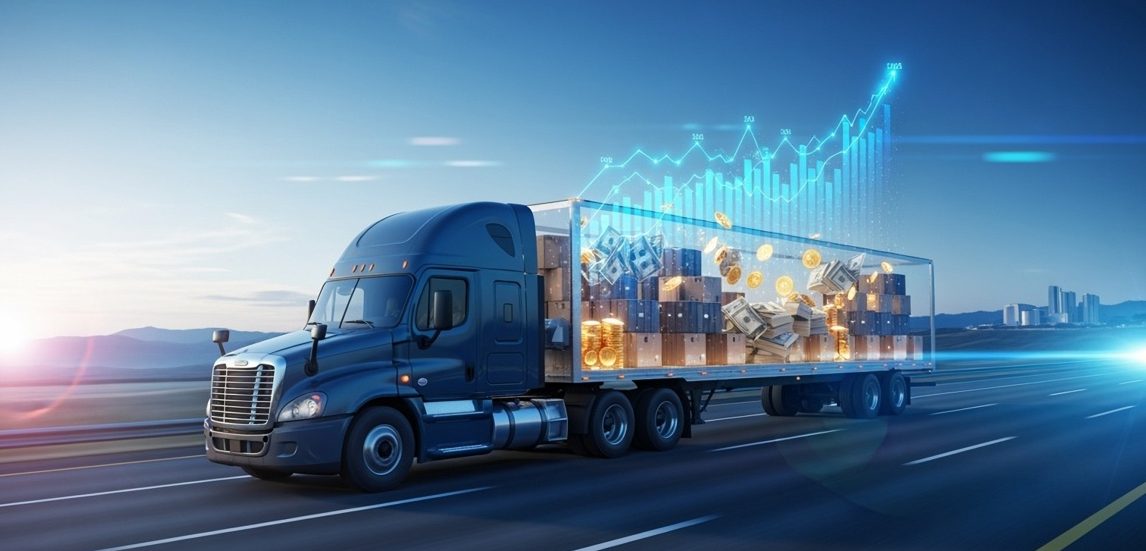
Small and mid‑size carriers are the backbone of North American freight — but they’re also the ones feeling the freight recession the hardest. Costs per mile keep rising, rates have been falling steadily in the "race to the bottom", and margins have slipped into negative territory for many fleets.
But here’s the shift happening in 2026: Visibility is no longer a tech feature. It’s a revenue/profitability strategy. And small fleets are in the best position to be nimble, move fast and win with it.
Large carriers can afford BIG lengthy projects which tend to move slowly. Tech platforms don’t run trucks. But small and mid‑size fleets can adopt visibility faster, prove value faster, and monetize it faster.
Here’s the playbook.
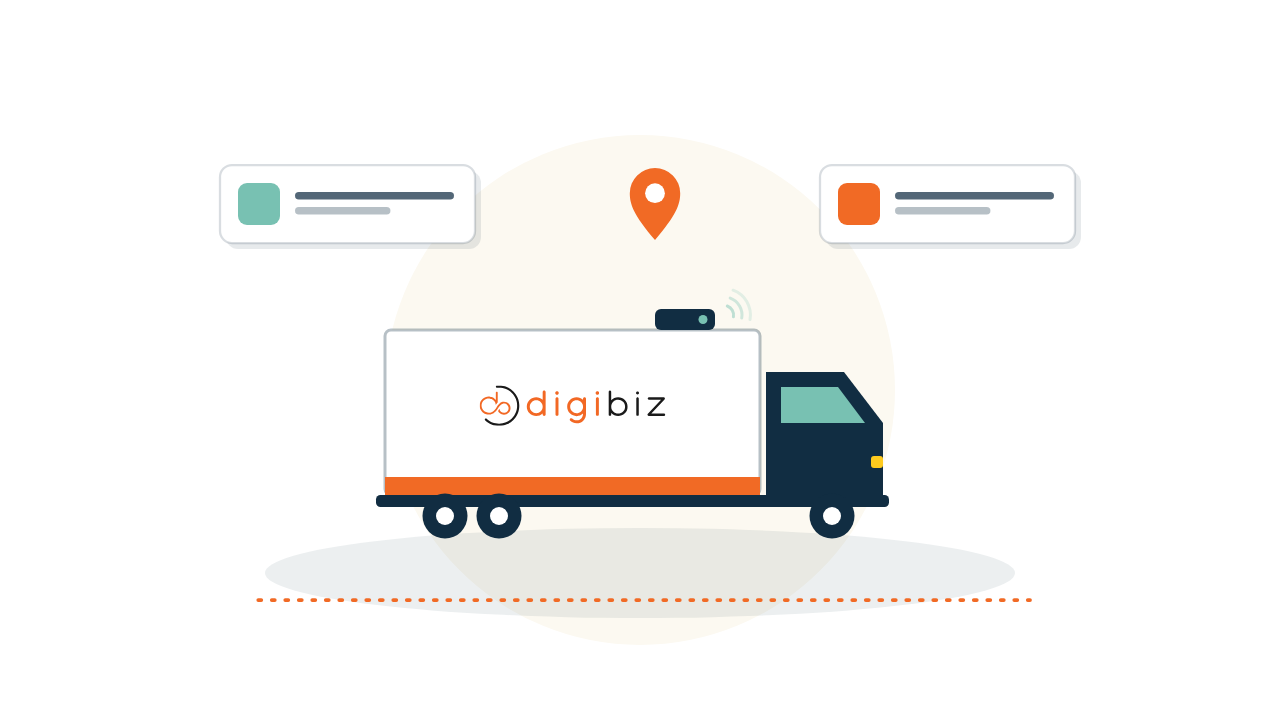
1. Make every trailer an always‑online asset
Most trailers sit dark 95% of the time — no power, no data, no signal. That’s why visibility breaks down.
The fix is simple and scalable:
- Install an IoT gateway
- Use an autonomous energy source to keep the gateway alive during "no-power" periods
- Turn the trailer into a permanent node on the internet
When a trailer is always‑online, visibility becomes reliable instead of “best effort.” This is the foundation of the entire playbook.
2. Tag every pallet with a “talking” shipping label
Traditional labels identify freight. PALs let freight speak.
Printed Active Labels (PALs) give every pallet a digital voice:
- Announces presence
- Confirms loading/unloading
- Reports condition
- Verifies custody
- Provides real‑time location
This is the missing link between the trailer and the freight inside it — and it’s what shippers have been asking for for years.
3. Connect the trailer + freight + ecosystem
Visibility only creates value when it flows to the people who need it:
This is where small and medium fleets shine: they can deliver visibility without bureaucracy, without legacy systems, and without multi‑year IT projects.
4. Monetize visibility instead of giving it away
For years, carriers paid for visibility infrastructure only to hand the data to someone else.
In 2026, that flips.
Smart small and mid‑size fleets will:
- Charge 5–10% premium rates for visible freight
- Negotiate 5–10% lower insurance premiums
- Reduce detention, and rework
- Win more freight from shippers who value reliability
- Retain customers who want transparency, not the lowest bid
This is how fleets move from negative margins to +5–7% profits. Not only by cutting costs — but by delivering and monetizing trust.
5. Start small, prove value, scale fast
You don’t need to overhaul your entire fleet. You don’t need a massive tech stack. You don’t need a six‑figure project.
A practical rollout looks like:
- Pilot 1–2 trailers with always‑online gateways
- Tag high‑value or high‑risk freight with PALs
- Share visibility with one shipper
- Use the results to negotiate premiums or insurance discounts
- Expand across lanes, customers, and asset classes
This is visibility that pays for itself — quickly.
In 2026 small and mid‑size carriers have an advantage - speed, decisiveness, action.
They can adopt visibility faster. They can prove value faster. They can monetize it faster.
Carriers run the miles. Carriers bear the risk. It’s time carriers capture the value.
More articles
all resources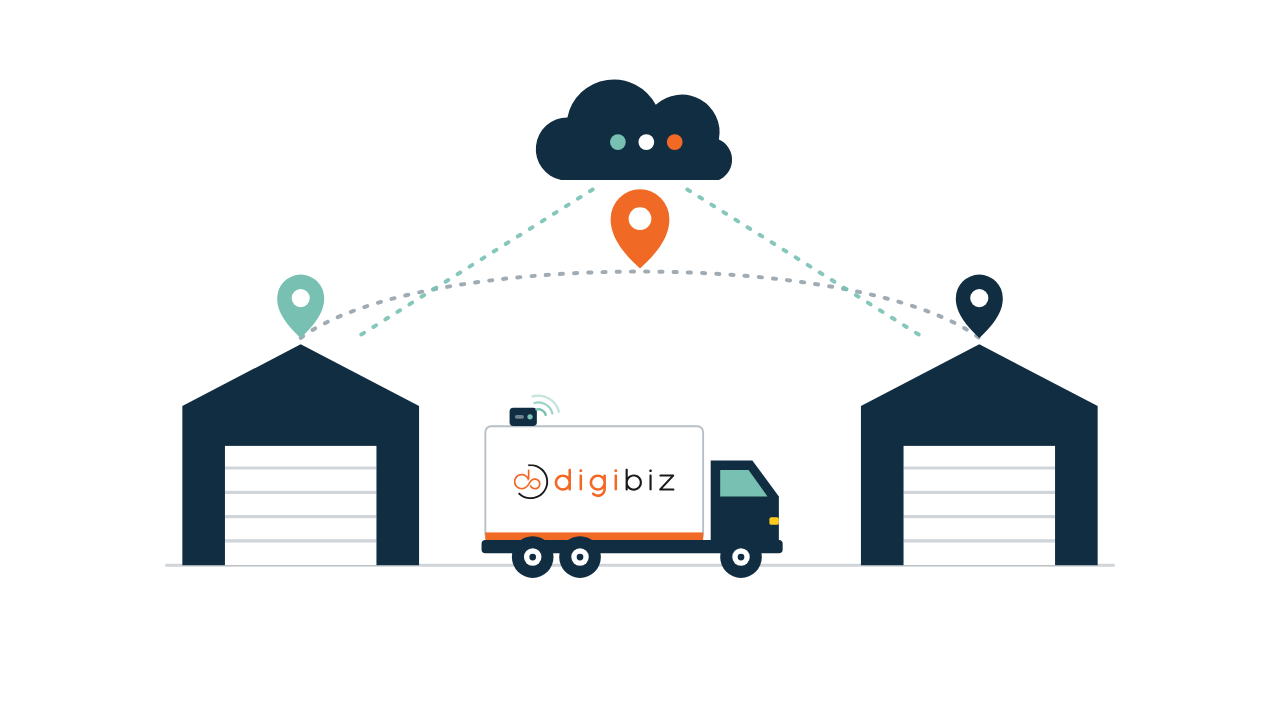
Pallet-level visibility changes everything
read article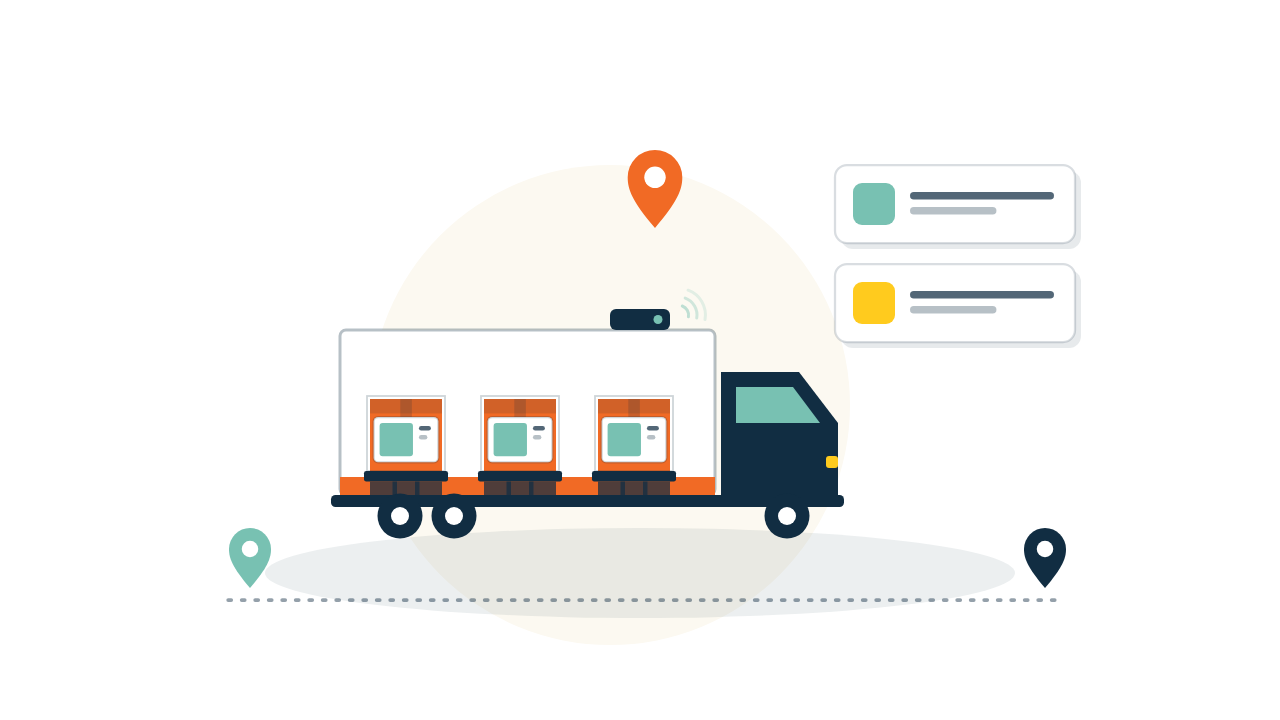
Visibility is not just a technology - it’s a survival and growth strategy in the freight recession
read article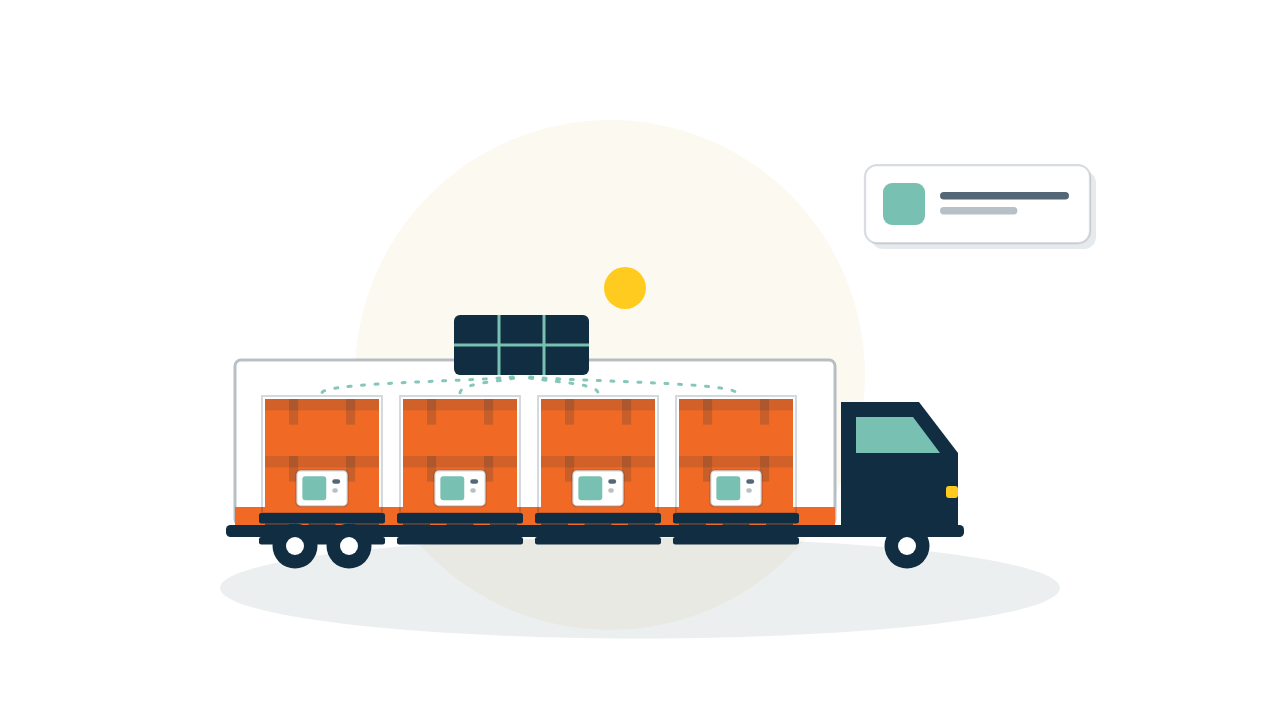
Reimagining LTL trailers as connected internet appliances
read article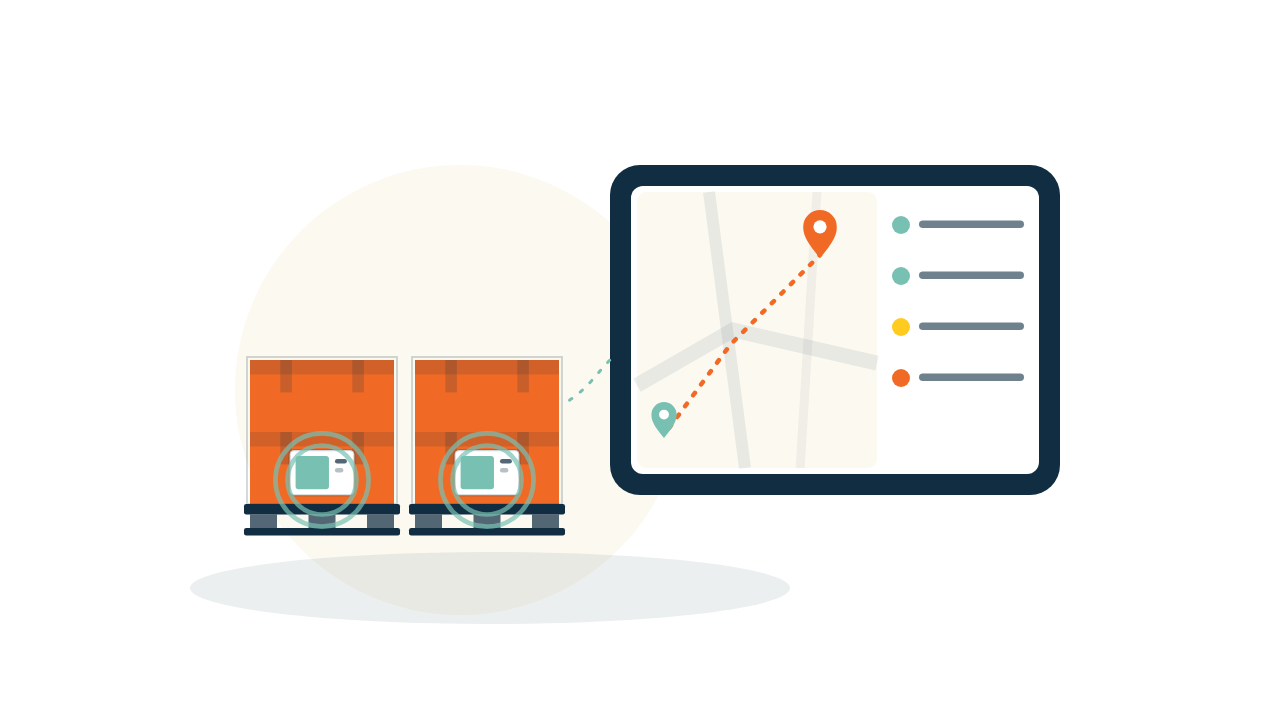
Why pallet-level visibility is the next big win for the entire freight ecosystem
read article
The quiet revolution reshaping logistics: IoT visibility meets agentic AI
read article